AR-15
The AR-15's modularity is the whole point, which means the accessory list is genuinely long: optic, mount, sling, backup irons, cleaning gear, and the torque tools to put it all together correctly. This page is the complete kit, not just the parts that are unique to an AR.
Start with these three
A dot you can trust, a two-point sling (the rifle's equivalent of a holster), and backup irons for when the battery doesn't cooperate.

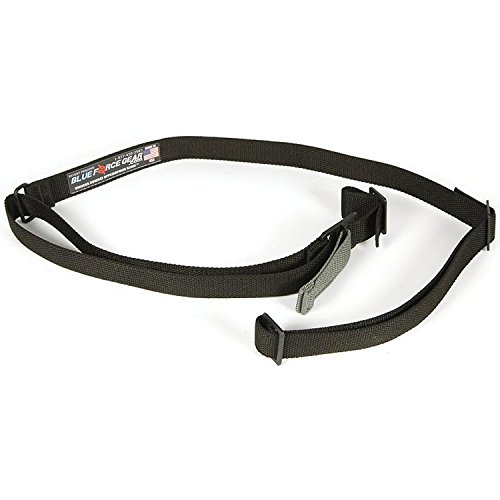
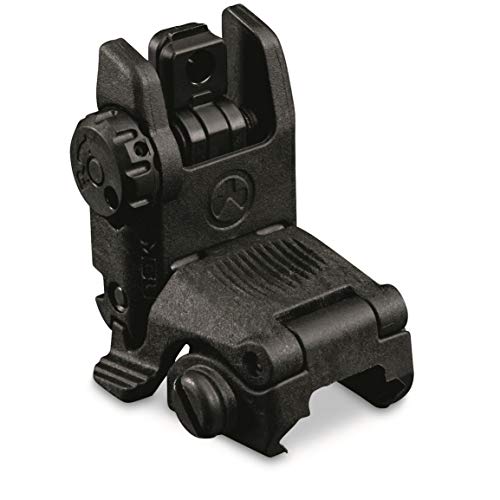
Everything for the AR-15
Optics & Sights
6 items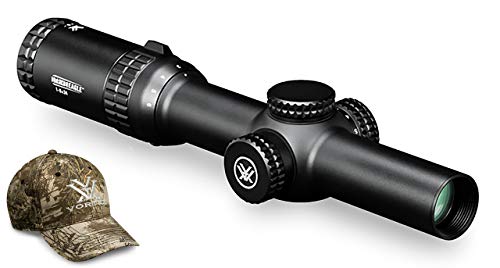


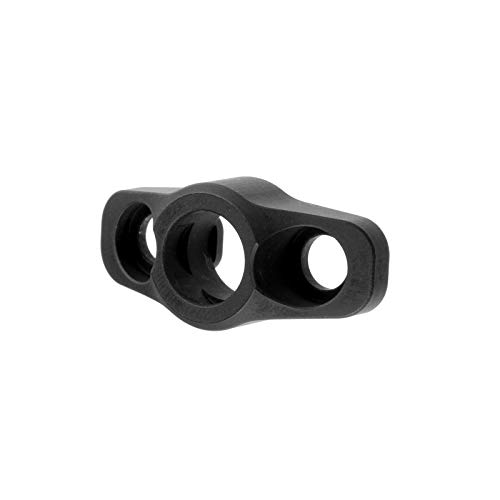
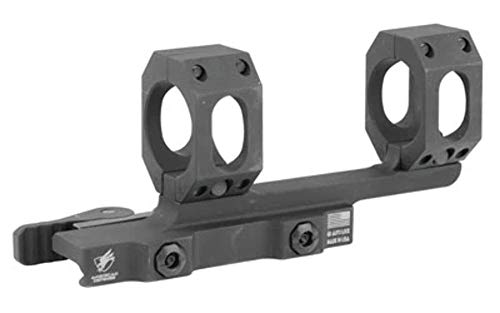
Slings & Mounts
8 items




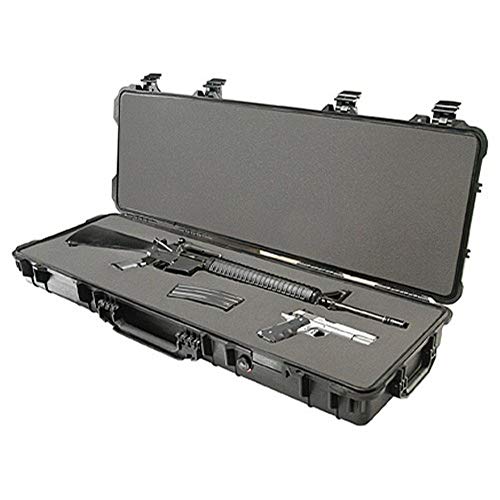
Range Bags & Gear
6 items


Cleaning & Maintenance
8 items


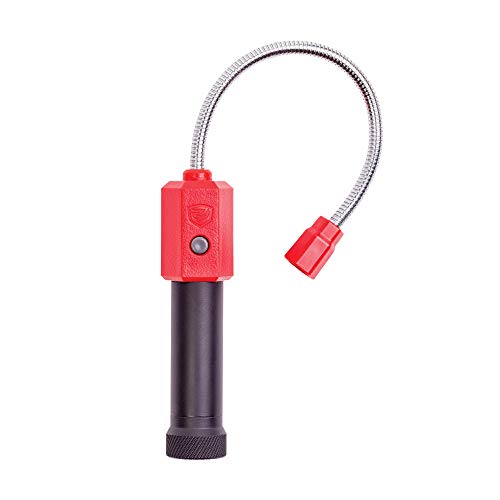
Tools & Bench Gear
6 items


AR-15 questions
What should I put on an AR-15 first?
An optic and a sling, in that order. The optic is what makes the rifle usable at speed; the sling is what lets you keep it on you with your hands free, and it's the single most-skipped accessory on new builds. Backup iron sights come third: cheap insurance behind any battery-powered optic.
Red dot or LPVO for an AR-15?
A red dot if most of your shooting is inside 100 yards: it's lighter, faster, cheaper, and runs for years on a battery. A low-power variable if you want to stretch past 200 yards and can accept the added weight and cost. A 1-6x at true 1x is nearly as fast as a dot up close, which is why LPVOs became popular in the first place.
Do I need a torque wrench to mount a scope?
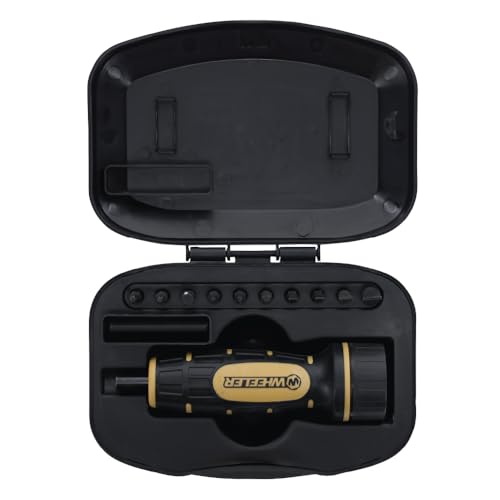
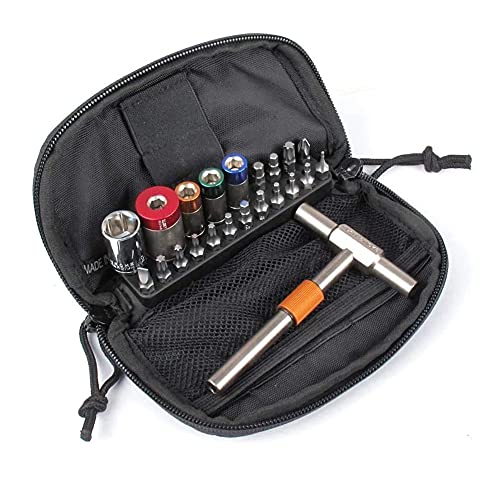
For anything mounted to a rail, yes. Ring and mount screws have published inch-pound specs, and hand-tightening either crushes a scope tube or lets the mount shift under recoil, which reads as an optic that won't hold zero. A preset torque driver removes the guesswork and costs less than one ruined optic.
How often should an AR-15 be cleaned?
Less often than most people assume, but lubed more often than they think. Direct-impingement ARs run better slightly dirty and well-oiled than spotless and dry. A practical routine is wiping the bolt carrier group and re-lubing after each range trip, with a full detail strip a few times a year or after any wet or dusty outing.