Mounting a Red Dot Without Losing Your Zero
Almost every 'my dot won't hold zero' problem is a mounting problem, and it's the easiest one to fix correctly the first time.
A red dot that drifts is rarely a broken optic. It's almost always screws that were tightened by feel, a mounting surface that wasn't clean, or a plate that wasn't matched to the optic's footprint. All three are avoidable in about fifteen minutes with the right tools, and all three will otherwise cost you an afternoon at the range chasing a zero that keeps walking.
Torque is a number, not a feeling
Optic mounting screws are small, and the specs are lower than most people expect: commonly in the 12 to 20 inch-pound range for a pistol dot, and published by the optic manufacturer for every model. That is dramatically less force than a person applies with a standard driver and a firm hand. Overtighten and you strip the threads in the slide or crack the optic housing; undertighten and the optic shifts a fraction of a millimeter under recoil, which downrange reads as a zero that moves. A preset torque driver removes the judgment call entirely, and costs less than the optic you're about to ruin.
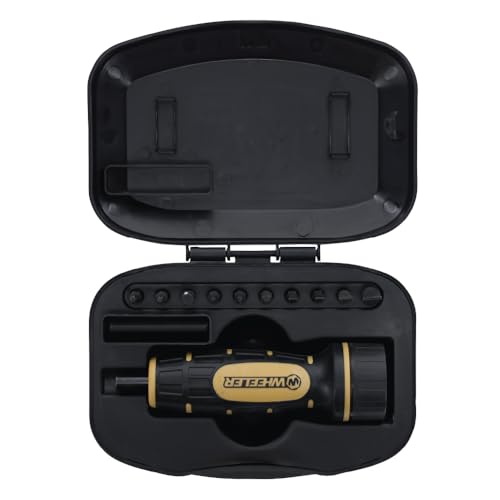
Clean and degrease every mating surface
Factory guns ship with preservative oil on them, including in the optic cut and the screw holes. Oil on a mating surface means the optic is clamped against a film that slowly squeezes out under recoil, loosening the joint. Degrease the slide cut, the bottom of the optic, the plate if you're using one, and the screw threads themselves before assembly. This single step fixes a surprising number of mystery zero problems.
Thread locker, correctly applied
Use a removable, medium-strength thread locker (the blue kind) on optic screws, not the permanent red. Apply a small amount to the threads, not the screw head, and let it cure for the time on the bottle before shooting. High-strength thread locker on a tiny screw means the next person to remove that optic will shear the screw head off, and extracting a broken screw from a slide is a gunsmith visit.
Match the plate to the footprint, not the brand
Optic footprints are patterns, and several brands share them. The Trijicon RMR pattern is used by the RMR, the SRO, and Holosun's 407C, 507C, 508C, and 508T. The smaller Shield RMSc pattern covers the Holosun 407K and 507K and Sig's RomeoZero. Buy the plate for the footprint your optic uses, and confirm it against the manufacturer's own compatibility list rather than a marketplace listing's claim.

Confirm, then confirm again
Zero the optic, then shoot it again on a separate range trip before you trust it. Mounting problems often show up not on the first twenty rounds but after a hundred, once vibration has had time to work on an under-torqued joint. If the zero holds across two sessions and a few hundred rounds, the mount is good. Re-check the screws at every deep cleaning after that; it takes ten seconds with the same driver you mounted it with.
Ready to shop? Browse Tools & Bench Gear.